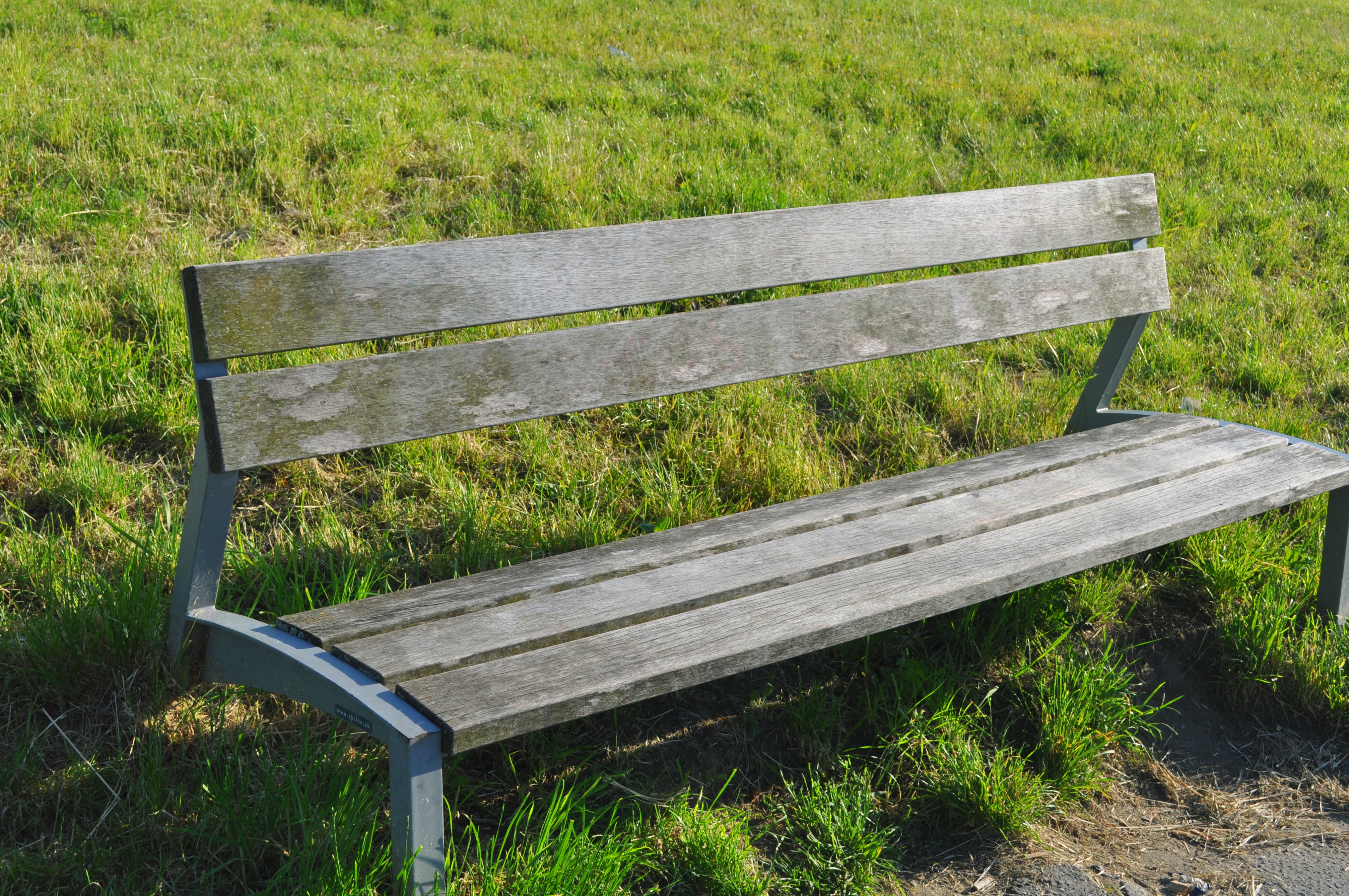
The return of Vancouver’s third spaces.
Between our homes and our work spaces lies another, a space that sociologists have described as a “third space.” These places consist of surroundings that draw people of varying walks of life together. Places where we interact with one another, expressly or tacitly. They can be as simple in their functions as grocery stores, or as complex as esoteric themed nightclubs. The spectrum of these “third spaces” enables them to provide different functions for our social capital. Being, mostly, social creatures, our social capital refers to the network of people we have any degree of relationship to. In a modern age, still reeling from the effects of an isolating pandemic, we have created avenues to avoid these spaces. For some the idea of receiving groceries at our doors and attending the newest premiere of a film from our couch seems like the height of luxury, but these “third spaces” served to, and continue to, deliver us the most basic necessities for life; human connection.
The term “third space” has been coined by urbanist Edward J. Soja in his seminal piece: Thirdspace: Journeys to Los Angeles and Other Real-and-Imagined Places. The idea was based on theories put forward by Homi K. Bhaba, and while both contributed to the concept I shall focus primarily on the former. These sociologists worked with an understanding of our social spaces as a product of our interactions, influenced by our culture, geography, ethics, and aesthetics. This creates a contrast between our private spaces, the home, and the commercial spaces, the place of work. Therein lies our third space, a place for humans to experience others and produce social spaces based on their interactions. The value of these places extends beyond the simplicity of socializing, and its connection to releasing chemicals associated with happiness. These spaces define societies and cities alike.
Vancouver has long been considered a “boring city”, a claim that I deny fervently, but understand the principle argument of. The city lacks the urbanity of Toronto, the culture of Montreal, the authority of Ottawa, and the economy of Calgary. Instead, Vancouver boasts natural beauty and an access to nature unseen in other cities in Canada. Yet the city still lacks the integral elements of third spaces to enable the vibrant urban culture found elsewhere. Soja’s theory of spaces would emphasize the value of places like Kitsilano beaches for their ability to intermingle different groups. With the recent changes to drinking laws to parks and beaches in Vancouver our third spaces have enabled a greater spectrum of acceptance; families on picnics now are contrasted by the young adults surrounding a cooler of beer. While inevitably there will be problems posed by the new diversity of interactions these social spaces offer a wider array of experience which strengthens our society. A tapestry of ideas will mostly produce a better outcome than homogeneity.
In some instances urban planners have crafted areas of Vancouver to become more conducive to social interactions. Plaza’s within the Olympic village or Mount-Pleasant areas have diversified the social spaces to bring together arts and culture so necessary for urban vibrancy. In the fringes of the West-End downtown feels less glassy and monotonous, instead becoming cozy and brimming with life. These all create the social production of space that provides the foundation for the theory of third spaces. It foments the core culture of Vancouver in a way that challenges the mantra of “a beautiful boring city.” While Vancouver has a long way to go to improve upon its public social spaces, it has in the past decade become more culturally relevant. What has time and time again limited this is rising costs of living. The simple equation of life is that our rents or mortgages supersede our disposable income to engage with barbershops, bars, restaurants, libraries, and community centers. There is still much life seen in all these spaces, but I contend that our social capital is constrained by the financial capital we are forced to relocate to our needs for housing.
Citations
Soja, E. W. (1996). Thirdspace: Journeys to Los Angeles and other real-and-imagined places. Blackwell.
 Portico Press
Leave a comment