Border externalization in Tunisia.
For better or for worse the world grows smaller. It is no longer a disjointed system of states vying for domestic and regional control, it is an internationally connected entity which allows no action to exist in a vacuum. Migratory flows of people displaced from their country of origin have become pivotal issues for many states in the past decade, in particular in the parliament of the European Union. Mass migration has been associated with the rise of political fragmentation in European nations and increasingly protectionist right-wing rhetoric in the civil society of nations. European leaders are looking across the Mediterranean to find solutions to migrants arriving on their shores. One solution being pursued is known as border externalization, a practice that sees funding go towards states in a migratory buffer zone in order to delegate border security to local institutions.
Border externalization is being used by the European Union to control irregular migration before it reaches European borders. In the summer of 2023 EU leaders arrived in Tunisia to sign the Memorandum of Understanding, an agreement that outlines the two parties’ commitment to addressing irregular migration.
Border externalization is being used by the European Union to control irregular migration before it reaches European borders. In the summer of 2023 EU leaders arrived in Tunisia to sign the Memorandum of Understanding, an agreement that outlines the two parties’ commitment to addressing irregular migration.
The memorandum emphasizes Tunisia’s “position that it is not a country of settlement for irregular migrants” and that the “European Union shall endeavour to provide sufficient additional financial supportto further improve the management of Tunisia’s borders.”
European Commission. Memorandum of Understanding on a Strategic and Global Partnership between the European Union and Tunisia. (2023).
This agreement poses risks to the rights of migrants within Tunisia as it offers insufficient legal frameworks for the protection of rights and recourse in the case of rights abuses. Agreements such as these not only externalize borders, but also externalize the legal rights of irregular migrants to states that have histories of human rights abuses.
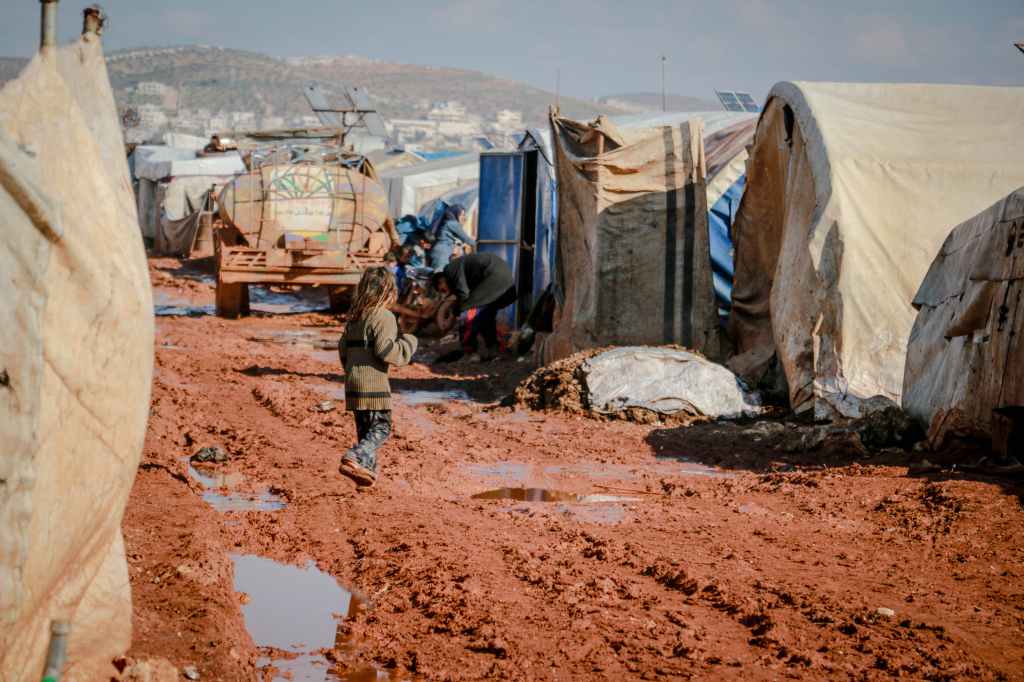
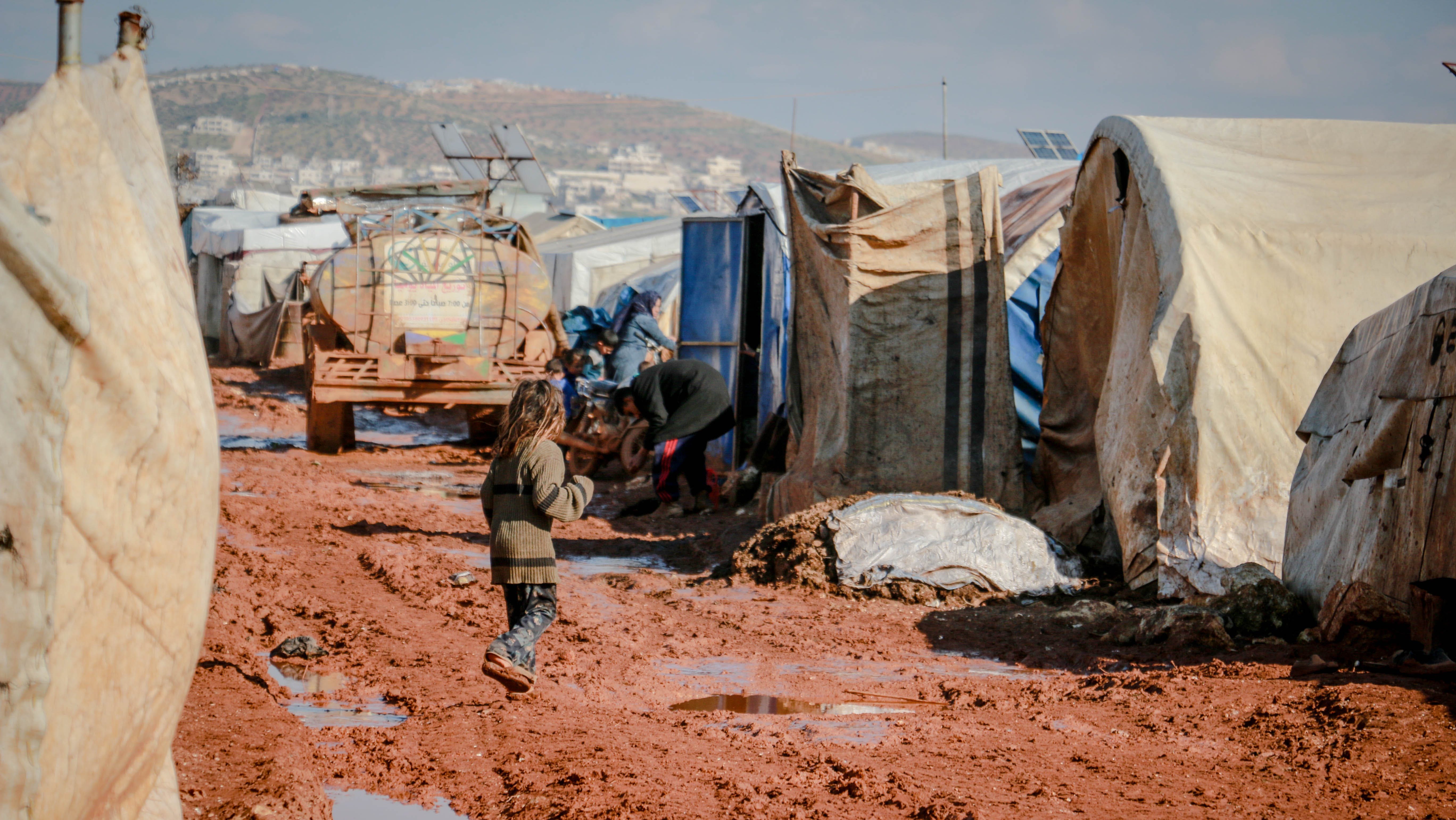
Since 2019 under President Saied, Tunisia has become increasingly autocratic in governance and more aggressive in its approach to migrants. As of 2023 there were 12,000 UNHCR registered refugees and asylum seekers within Tunisia’s borders, and including unregistered migrants; this number is likely closer to 30,000.1 President Saied has taken a hardline approach to migrants, declaring that people are being trafficked by foreign groups who aim to change the demographics of Tunisia for monetary and political gain.2 In response, foreign aid groups operating in the region have condemned these claims calling them incendiary and likely to stoke ongoing racial tensions in Tunisian society. Human Rights Watch has reported increasing violence by vigilante groups against the sub-saharan community in Tunisian civil society, black African’s comprise the majority of irregular migrants in the country.3 Racial violence bleeds between the spheres of civil society and government in Tunis, indicting government security forces in instances of human rights abuses.
Human Rights Watch has reports of Tunisian security forces abusing refugees and asylum seekers; “[d]ocumented abuses include beatings, use of excessive force, some cases of torture, arbitrary arrests and detention, collective expulsions, dangerous actions at sea, forced evictions, and theft of money and belongings.”4 These reports are illuminating the dark realities of delegating border security to countries with limited protections for human rights. Across the MENA region instances of abuse emerge through non governmental organizations as governing bodies are often censored in their reports of these incidents. European agreements with MENA states are enabling the lack of transparency as partnership’s become “increasingly parsed through the lens of securitised migration cooperation.”5 This narrow lens of political cooperation informally entrenches foreign migration policy in the EU’s immigration framework. For people seeking asylum in Europe they must first endure the European funded hard borders of MENA states.
It is valuable to analyze policy that seeks to address irregular migration because it is becoming more common. Whether spurred by conflict, economic hardship or climate change, more people are on the move than ever before. European politics has begun to show how civil society responds to fears of mass migration. As people in developed nations begin to see migratory flows of people pursuing a higher quality of living, reactionary sentiments of distrust permeate society and politics, often resulting in short sighted policy such as border externalization. Redress for mass migration cannot be dependent solely on creating hard borders in foreign countries. Policies on mass migration must balance creating effective avenues for people to seek legal migration alongside economic and political measures to attempt to stabilize the states that are experiencing outflows of people. We are past the point of independent states and have now entered the era of interdependent partners in the pursuit of global problems.
- United Nations High Commissioner for Refugees. (2023). ↩︎
- Karam, Souhail. Crackdown on Black Africans Fuels Attacks and Rebuke in Tunisia. (2023). ↩︎
- Ibid. ↩︎
- Seibert, Lauren. Tunisia: No Safe Haven for Black African Migrants, Refugees. (2023) ↩︎
- Martini, Lorena Stella, & Tarek Megerisi. Road to Nowhere: Why Europe’s Border Externalisation is a dead end.
(2023) ↩︎
 Portico Press
Leave a comment